Acerca de Andalucía
Andalusia is a Spanish autonomous community located in the south of the Iberian Peninsula, with an area of 87,268 km², it represents 17.3% of the Spanish territory, being the most populated autonomous community and the second largest, it is made up of eight provinces: Córdoba, Jaén, Huelva, Seville, Cádiz, Málaga, Almería and Granada. Its history dates back to Roman domination, highlighting the Alhambra in Granada as a symbol of its Nasrid splendor. In 1492, during the time of the Catholic Monarchs, important decisions were made in Andalusia that marked the history of Spain and the world. Andalusia has been a meeting point between Europe and Africa, with diverse landscapes ranging from the Guadalquivir valley to mountain ranges and deserts. The Guadalquivir River is vital for the region, crossing it from east to west. In addition, its coastline of almost 900 km is home to numerous towns and beaches. Currently, Andalusia has undergone a significant transformation in the 21st century, being an important tourist destination and keeping its rich cultural heritage alive. The region has participated in historical events such as the War of Independence against the French and has recovered its autonomy with the approval of the Statute of Autonomy in 1981. Andalusia is a land full of traditions, customs and a unique culture that makes it a place emblematic in Spain and in the world. Each of its provinces is unique in itself, with a rich monumental and traditional heritage, festivals and gastronomy, and its unparalleled people.
Córdoba: Located in a depression on the banks of the Guadalquivir River, Córdoba is known worldwide for its Mosque-Cathedral, a monument declared World Heritage. Its historic center is full of picturesque streets, patios full of flowers, charming squares and lively taverns where you can enjoy flamenco shows and taste typical cuisine. The city offers a unique experience during spring, especially in May, when the aroma of flowers such as orange blossom and jasmine permeate the atmosphere, accompanying traditional festivities. Among the places of interest are the Mosque of Córdoba, the Julio Romero de Torres Museum, the Roman Bridge, the Alcázar of the Christian Kings, the Calleja de las Flores and the Plaza de la Corredera. Córdoba is also an ideal starting point for excursions to nearby destinations such as Ronda, Málaga, Jaén, Seville and Granada. With a rich history and a diverse cultural offer, Córdoba is a unique tourist destination that combines art, culture, tradition and history in a charming environment.
Jaén: It is the city known as the "Very Noble and Very Loyal City of Jaén, Guardian and Defense of the Kingdoms of Castile", this city treasures a great historical wealth as a result of the coexistence of the three cultures: Christian, Jewish and Muslim. Its historic center exhibits the unique beauty of its streets, highlighting the "Jewish quarter", churches such as La Magdalena and San Juan, as well as the Arab Baths, one of the largest in Spain. Jaén is recognized worldwide as the capital of olive oil, being the largest producer of this precious product. Its traditional cuisine reflects the Mediterranean culture impregnated with extra virgin olive oil. The modern and open city has known how to combine its tradition with spaces such as parks, squares and boulevards. In addition, it has emblematic monuments such as the Cathedral and the Castle of Santa Catalina, which offer impressive panoramic views. The history of Jaén dates back to the Paleolithic, with Iberian, Carthaginian and Roman settlements. During al-Andalus, it was an important city disputed for its strategic position. After the Christian conquest in 1246 by Ferdinand III, it became a border stronghold. Since then, it has experienced periods of splendor and decline until becoming the provincial capital in 1833. Jaén is a city that combines history, culture, gastronomy and impressive natural landscapes that make it a unique tourist destination in Andalusia.
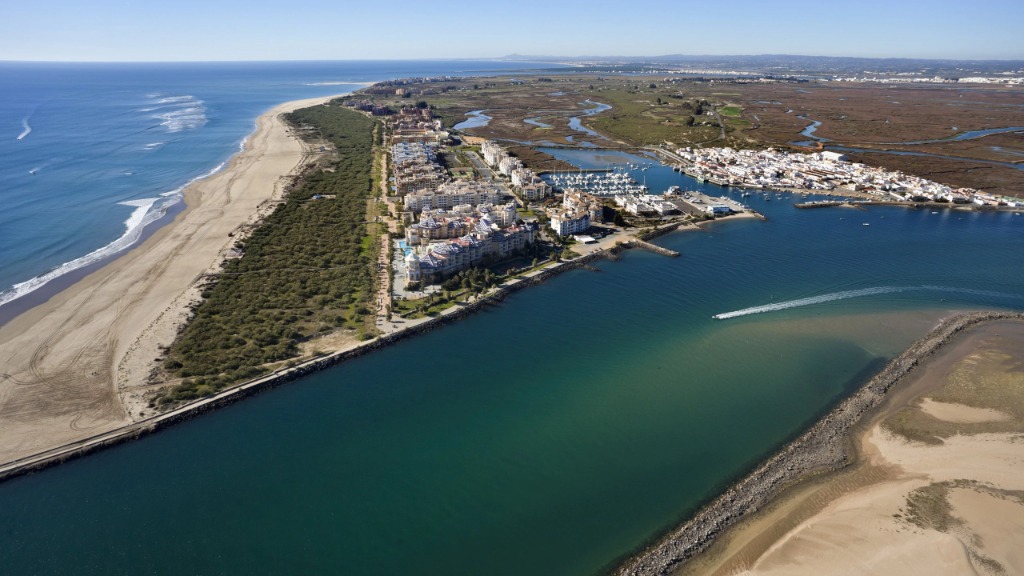
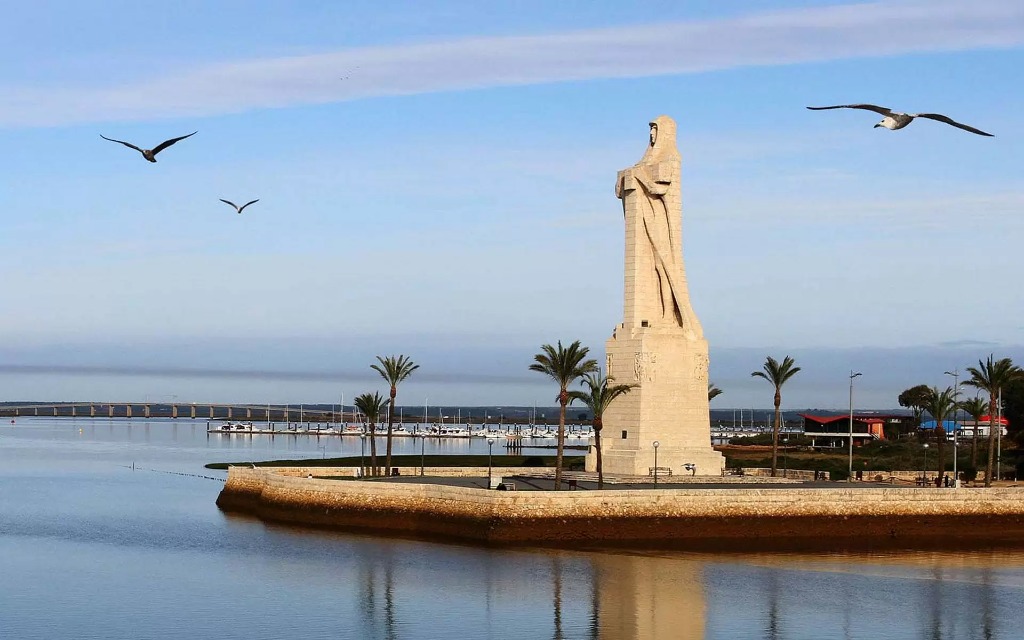
Huelva: Located in the west of Andalusia, it borders to the north with the province of Badajoz, to the east with the provinces of Seville and Cádiz, to the south with the Atlantic Ocean and to the west with Portugal. With a history that dates back to the first millennium BC, Huelva has been an important enclave since the Tartessian and Phoenician times, standing out for its seafaring vocation and its role in the Columbian exploits. The province of Huelva offers a diverse landscape that goes from the westernmost foothills of Sierra Morena to its Atlantic coast. Its climate varies from humid and mild in the mountains to temperate on the coast, inviting you to enjoy the sun and the sea all year round. In addition, it is recognized for being the capital of olive oil and for its extensive beaches covered with vegetation. The city of Huelva has emblematic monuments such as the Palos de la Frontera Pier, from where Columbus's first expedition to the New World left in 1492. In addition, its historic center is home to picturesque corners such as the Plaza de la Constitución and offers a combination unique between tradition and modernity. Huelva is a province rich in traditions, with a cultural heritage that dates back to ancient civilizations and a natural environment that invites you to explore its varied and charming landscapes.
Seville: it is the capital of the homonymous province and of the autonomous community of Andalusia. With a population of approximately 684,164 inhabitants, it is the most populated city in Andalusia and the fourth most populated in Spain according to official data. Seville is a city that stands out for its rich history, vibrant culture and sporting events and festivals that make it unique. The city of Seville is known for its emblematic monuments such as the Cathedral, La Giralda, the Alcázar, the Plaza de España and the María Luisa park. In addition, it is recognized for its Holy Week and the famous April Fair. Sevillian gastronomy is another notable attraction, with its traditional tapas and good food that invites you to enjoy local cuisine. Seville offers a wide range of activities for visitors, from tours of its historical monuments to enjoying cultural events and festivals. The city has good transport links, including an international airport 10 kilometers from the center, high-speed train stations and a network of urban buses that facilitate mobility within the city, which captivates its visitors with its special charm, Its historical and cultural heritage, its exquisite gastronomy and its festive atmosphere make it an essential tourist destination in Spain.
Cádiz: is known as the "Silver Cup" and is considered the oldest city in the West. Founded by the Phoenicians around 1100 BC, its history is intertwined with the sea and its importance as a strategic port. The city of Cádiz offers a unique combination of history, culture and gastronomy. From its 1st century BC Roman Theater to the colonial influence on its architecture, Cádiz is a melting pot of cultures. The city is famous for its beaches, such as La Caleta, Santa María del Mar, Cortadura and La Victoria, which stretch along 3 km of coastline. Cádiz is also recognized for its Carnivals, declared of International Tourist Interest, which attract thousands of people for more than 20 days. The Falla Theater hosts the Cádiz Carnival Group Competition, being one of the most notable events. In addition, the city has a rich gastronomic offer where you can enjoy typical dishes such as mackerel with pirinaca. Cádiz is a city full of charm, history and tradition that invites visitors to explore its narrow streets, picturesque squares and enjoy its festive and welcoming atmosphere.
Malaga: With a population of around 586,384 inhabitants, Malaga is a city with a rich history dating back to the 8th century BC when it was founded by the Phoenicians. Known as "Malaka", it has been an important strategic enclave over the centuries. The city of Malaga offers a unique combination of history, culture and modernity, from its Alcazaba and Roman Theater to the Cathedral of La Encarnación, Malaga has an impressive architectural heritage. In addition, its beaches such as La Caleta and Santa María del Mar are popular destinations for visitors. Malaga is also renowned for its vibrant cultural life, with events such as Carnival and the Malaga Fair attracting tourists from all over the world. The city is an important economic and cultural center in southern Spain, as well as being a key communications node in the Mediterranean. Malaga is a cosmopolitan city that combines history, art, gastronomy and spectacular beaches, making it an essential tourist destination in Spain.
Almería: Located in the southeastern corner of the Iberian Peninsula, Almería is the nerve center of the Metropolitan Region of Almería. The city has a history that dates back to ancient times and has been an important enclave over the centuries. The city of Almería is characterized by its relationship with the sea, with the port being an integral part of its daily life and physiognomy. Monuments stand out such as the imposing Alcazaba, which offers an extraordinary panoramic view of the city and the port, and the typical La Chanca neighborhood with its polychrome houses. The Cathedral, built as a fortress against pirates, and places such as the Malecón Gardens, the Muelle de San Pedro neighborhood and various squares are points of interest in the city. Almería is also known for its beaches, ideal for enjoying sun tourism. and beach. The city offers a unique combination of history, culture, gastronomy and a welcoming atmosphere that invites visitors to explore its charms. In addition, events such as the Carnival and the Almería Fair are an important part of its cultural life.
Granada: The city is known for its impressive Alhambra, a UNESCO World Heritage Site, which combines Islamic and Christian architectural elements. In addition, the city is home to emblematic monuments such as the Cathedral, the Albaicín neighborhood with its narrow cobblestone streets and viewpoints overlooking the Alhambra, and Sacromonte, famous for its flamenco caves. Granada offers a varied cultural agenda with events such as the Tocando las Estrellas Festival, the Granada Flamenco Pasarela and concerts such as Jethro Tull Live. The city is also known for its gastronomy, where you can taste typical dishes such as local tapas and the famous "fried fish". Some of the most popular gardens in Granada are: Generalife: Located within the Alhambra complex, the Generalife is famous for its exquisite gardens and fountains, being one of the most emblematic of the city. Carmen de los Mártires: This historic garden offers a combination of green areas, fountains and panoramic views of Granada, making it a charming place to stroll. Patio de los Arrayanes: Located in the Alhambra, this patio stands out for its characteristic myrtle trees that surround a central fountain, creating a serene and beautiful environment. Jardines Del Triunfo: Located near the city center, these gardens are an ideal green space to relax and enjoy nature in the middle of the city. Botanical Garden of the University of Granada: This botanical garden is a perfect place to explore a wide variety of plants and flowers, offering a peaceful and educational environment. Granada is a city that captivates its visitors with its historical heritage, its unique and welcoming atmosphere, its diverse cultural offering and its exquisite gastronomy, making it an essential tourist destination in Spain.